
Rear-end collisions happen every day on busy Renton roads like I-405 and SR-167. While many assume the following driver automatically bears responsibility, Washington state law recognizes that fault determination involves multiple factors. Understanding these factors helps protect your rights after an accident anywhere in King County.
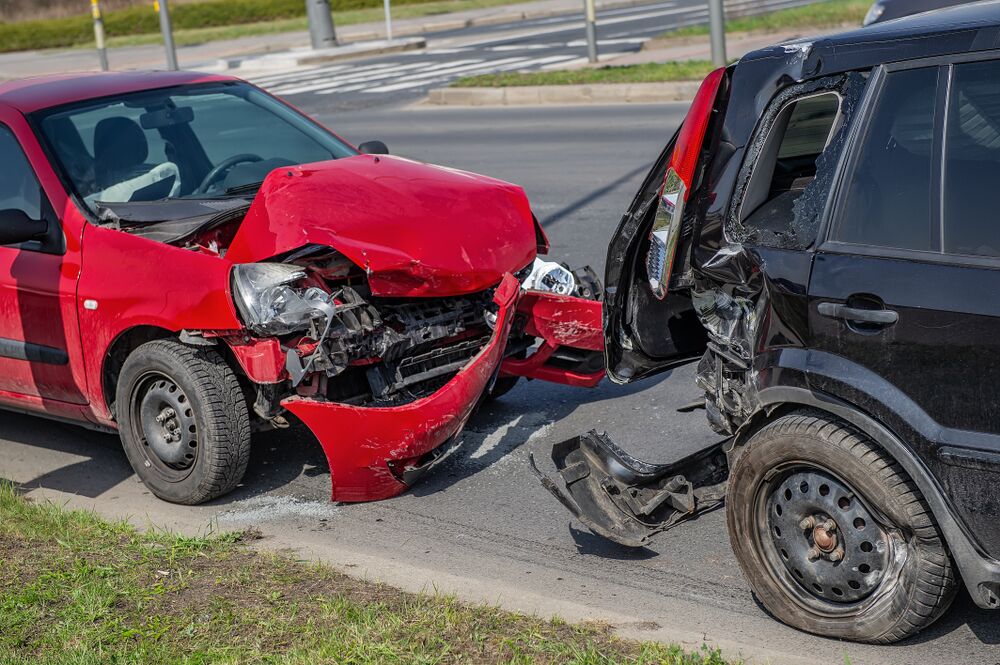
Key Takeaways for Fault Determination in Rear-End Accidents in Washington
- Washington follows pure comparative negligence, meaning you can recover damages even if you were partially at fault.
- The rear driver typically bears primary responsibility, but exceptions exist when the front driver acts negligently.
- Brake checking and sudden lane changes by the lead vehicle can shift fault determination.
- Document everything immediately after an accident, including witness statements and photos.
- Contact an experienced attorney within Washington's three-year statute of limitations.
Washington's Presumption of Rear Driver Fault
Washington law requires drivers not to follow more closely than is reasonable and prudent given speed, traffic, and road conditions (RCW 46.61.145). In rear-end crashes, investigators often start by examining the following driver's conduct, but fault is not automatic and depends on all the circumstances.
When accidents occur on rain-slicked Renton streets or during Boeing shift changes, investigators examine all factors. The reasoning makes sense—drivers should leave enough space to stop safely regardless of what happens ahead.
However, this presumption isn't absolute. Several circumstances can shift fault partially or completely to the lead driver, particularly when their actions create unavoidable hazards.
When Lead Drivers Share Fault
The presumption of rear driver fault doesn't apply universally. Several scenarios exist where the lead driver's negligent actions contribute significantly to causing rear-end collisions, shifting liability percentages dramatically.
Brake Checking and Aggressive Driving
Brake checking—suddenly braking without a valid reason to intimidate someone behind you—is unlawful and dangerous. This practice creates significant liability concerns for lead drivers.
The consequences for brake checking extend beyond traffic citations. Consider these key points about brake checking liability:
- Drivers may be cited for unsafe or negligent driving
- Courts may assign significant fault percentages to brake-checking drivers
- Video evidence (e.g., dashcams) is often decisive
- Intentional misconduct can trigger coverage disputes
Following a brake-checking incident, the lead driver faces potential liability for creating hazardous conditions that reasonable drivers couldn't avoid.
Defective Vehicle Equipment
Washington state law mandates that all vehicles must have operational brake lights. When brake lights malfunction, following drivers lose critical warning about stopping vehicles ahead.
Common equipment failures that shift fault include:
- Non-functioning brake lights or turn signals
- Missing reflectors on commercial vehicles
- Broken tail lights obscured by damage
- Improperly secured loads blocking visibility
- Malfunctioning hazard lights during emergencies
Drivers must maintain vehicles in safe operating condition. Equipment failures leading to accidents create liability for negligent maintenance.
Sudden Lane Changes and Merging
The driver in front may be deemed at fault if the driver in front merges or changes lanes without leaving enough room for the following driver to avoid a collision. This commonly occurs at busy Renton intersections and I-405 on-ramps.
Washington law requires drivers to signal their intent to change lanes and ensure the movement can be made safely. Failure to properly signal or check blind spots before merging creates liability for any resulting accidents. Video evidence often captures these sudden movements, particularly from traffic cameras at major interchanges like I-405 and SR-167.
Merge-related rear-end accidents frequently involve disputes about spacing and timing. The merging driver must yield to traffic already in the lane, but following drivers still need to maintain reasonable distances. Insurance companies carefully analyze pre-impact positions to determine whether the merger left adequate space or cut off the following vehicle.
Pure Comparative Negligence in Washington
Washington state auto accident laws utilize a pure comparative negligence rule to determine fault. This system assigns fault percentages to each driver based on their contribution to the accident.
Understanding comparative negligence proves crucial because:
- If you are found 30% at fault in an accident, then your monetary compensation will be reduced by 30%.
- Multiple parties can share fault in varying percentages.
- Even 99% at-fault drivers can recover 1% of damages.
- Insurance adjusters use these percentages during settlement negotiations.
This system encourages thorough investigation since every percentage point affects compensation amounts.
How Comparative Negligence Affects Your Settlement
The financial impact of fault percentages becomes clear through real-world examples. Consider a rear-end accident causing $100,000 in damages near Renton Technical College. If investigators determine you bear 20% fault for following too closely while the lead driver bears 80% fault for brake checking, you would recover $80,000.
These percentages apply to all damage categories, including medical expenses, lost wages, property damage, and pain and suffering. Insurance companies aggressively argue for higher fault percentages against claimants, knowing each percentage point saves them money.
An experienced Washington injury attorney can also work to reduce the fault percentage assigned to you—directly increasing your net recovery. They do this by gathering and preserving favorable evidence (dashcam footage, traffic-camera video, Event Data Recorder “black box” data), interviewing witnesses while memories are fresh, and retaining accident-reconstruction experts to show why the crash was not primarily your fault.
They can subpoena the other driver’s phone records for distraction, obtain maintenance and brake-light records, and challenge errors or assumptions in police reports. Equipped with this evidence and the comparative-fault standards, your attorney negotiates with insurers—and, if needed, presents the case in litigation—to push your allocated fault down and your compensation up.
Evidence That Determines Fault
Establishing fault in rear-end accidents requires comprehensive evidence collection and analysis. Insurance companies, attorneys, and courts rely on multiple evidence types to reconstruct accidents and assign liability percentages accurately.
Police Reports and Official Documentation
Law enforcement officers arriving at Renton accident scenes create detailed reports documenting:
- Initial fault assessments based on physical evidence
- Driver statements and admissions
- Witness accounts and contact information
- Traffic violations issued at the scene
- Weather and road conditions
- Diagram of vehicle positions
While police reports carry weight, they aren't conclusive. Officers may miss crucial details or rely on incomplete information. The Washington State Patrol provides access to collision reports for involved parties.
Physical Evidence at Accident Scenes
Investigators examine multiple physical factors when reconstructing rear-end collisions:
- Skid mark lengths indicating braking distances
- Vehicle damage patterns and severity
- Debris fields showing impact points
- Traffic camera footage from WSDOT
- Dashboard camera recordings
- Cell phone records showing distraction
Modern vehicles contain event data recorders capturing speed, brake application, and steering inputs before impact. This black box data provides objective evidence about driver actions.
Witness Testimony
Independent witnesses offer valuable perspectives on rear-end accidents. Their observations about following distances, brake checking, turn signal usage, driver behavior, and traffic conditions can prove decisive in fault determination.
Witnesses near busy Renton locations like The Landing or downtown often provide crucial testimony that may contradict initial assumptions about fault. However, witness reliability varies significantly. Factors affecting credibility include:
- Vantage point and visibility conditions
- Time elapsed before giving statements
- Relationship to involved parties
- Consistency with physical evidence
- Ability to accurately judge distances and speeds
Experienced attorneys know how to evaluate witness credibility and present testimony effectively. They also understand that multiple witnesses may perceive the same accident differently, requiring careful analysis to reconstruct accurate timelines.
Special Circumstances Affecting Fault
While standard rear-end accidents involve clear-cut scenarios, many collisions include complicating factors that significantly impact fault determination. These special circumstances require careful analysis and may result in shared liability between multiple parties.
Multi-Vehicle Pile-Ups
Chain reaction accidents on I-405 during rush hour complicate fault determination. Each driver's actions require individual analysis:
The initial impact sets off a cascade where subsequent drivers may bear partial fault for:
- Following too closely to stop in time
- Failing to pay attention to traffic ahead
- Speeding in heavy traffic conditions
- Not maintaining safe distances in poor weather
Insurance companies often dispute liability percentages in these complex scenarios, making legal representation essential.
Weather-Related Accidents
Renton's long wet season creates hazardous driving conditions. While weather doesn't excuse negligent driving, it affects fault determination through:
- Extended stopping distances on wet roads
- Reduced visibility during heavy downpours
- Hydroplaning risks on standing water
- Sun glare during rare clear days
Drivers must adjust following distances and speeds for conditions. Failure to accommodate weather increases fault percentages.
Commercial Vehicle Accidents
Accidents involving Boeing employee shuttles, delivery trucks, or semi-trucks in the Puget Sound region involve additional considerations.
Federal regulations impose strict standards on commercial drivers regarding:
- Hours of service and fatigue
- Vehicle maintenance and inspections
- Proper loading and weight distribution
- Additional insurance requirements
Commercial vehicles' extended stopping distances require greater following distances from other drivers. However, sudden stops without valid reasons still create liability.
Steps to Protect Your Rights After a Rear-End Accident
Once you’re home and the dust has settled, the next few days and weeks are where you can really strengthen your claim and avoid missteps that reduce your compensation.
- Get medical care promptly and follow the plan. See a doctor within 24–48 hours, keep follow-up appointments, and keep a simple symptom journal. Gaps in treatment give insurers ammo to downplay injuries.
- Notify your insurer quickly. Report the crash and open a claim; note all claim numbers. If you have collision coverage, you can use it to get your car repaired while fault is sorted out.
- Request the police report and check it for accuracy. If something is wrong or missing, ask about filing a supplemental statement.
- Preserve evidence. Photograph your vehicle and any visible injuries; save dashcam clips; hold on to damaged parts; avoid repairs until the car is photographed/inspected. If a business nearby may have video, send a polite preservation request right away.
- Document your losses. Save medical bills, pharmacy receipts, tow and rental invoices, repair estimates, and pay stubs or employer letters showing missed work.
- Be careful with insurance communications. Don’t give a recorded statement or broad medical authorization to the other driver’s insurer before speaking with a lawyer. Keep any required communications brief and factual.
- Limit social media. Posts, photos, or fitness-app data can be taken out of context and used to dispute your injuries.
- Calendar deadlines. Washington generally has a three-year statute of limitations for injury claims; set reminders well in advance, and track any shorter deadlines tied to specific benefits.
- Consult a Washington injury attorney early. Counsel can secure and analyze evidence, handle insurers, and advocate to reduce any fault percentage assigned to you—directly increasing your net recovery.
Critical Documentation for Proving Fault
Beyond initial accident scene documentation, building a strong case requires comprehensive evidence gathering. Essential photographic evidence includes multiple angles showing the overall accident scene, vehicle damage, skid marks, traffic control devices, and weather conditions, if it’s possible for you to get them.
Written documentation strengthens photographic evidence. Create detailed notes about the exact timeline, your speed and following distance, lead vehicle behavior, and physical symptoms. Request copies of all official reports, including police investigations and emergency medical treatment documentation. These contemporaneous records carry significant weight during fault negotiations.
How Insurance Companies Assess Fault
Insurance adjusters investigate rear-end accidents using various tools and tactics. Understanding their process helps you prepare:
- Immediate Contact: Adjusters often call within hours seeking recorded statements
- Damage Inspection: Physical assessments estimate impact forces and angles
- Comparative Analysis: Similar accidents establish typical fault patterns
- Settlement Pressure: Quick, lowball offers exploit uncertainty about fault
Remember that insurance companies prioritize profits. Their fault assessments may not reflect actual liability percentages.
Legal Time Limits and Documentation
You have three years from the date of the accident to file a lawsuit for personal injury or property damage in Washington. That can pass quickly while you're treating and gathering evidence, so start your documentation right away:
Essential documentation for proving fault includes:
- Medical records linking injuries to the accident
- Repair estimates showing the extent of the damage
- Lost wage documentation
- Ongoing treatment costs
- Pain and suffering journals
Starting documentation immediately preserves crucial evidence before memories fade or witnesses disappear.
Exceptions to the Three-Year Rule
If a state or local government is involved, you must first present a pre-suit claim and then wait 60 days before filing suit; strict notice rules apply, and the three-year statute still governs most claims. Minors generally have until three years after their 18th birthday to file. In some cases, the "discovery rule" can extend the filing period for injuries that were not reasonably discoverable right away.

FAQ for Rear-End Accident Fault in Washington
What percentage of fault typically applies to rear drivers in Washington rear-end accidents?
While rear drivers often bear majority fault, percentages vary based on circumstances. Courts have assigned anywhere from 0% to 100% fault to rear drivers depending on lead driver actions like brake checking or equipment failures. Each case requires individual analysis of contributing factors.
How does dashcam footage affect fault determination in Renton rear-end collisions?
Dashcam evidence provides objective documentation of driver behaviors before impact. Video showing brake checking, sudden lane changes, or following distances strongly influences fault percentages. Courts and insurance companies increasingly rely on this evidence over conflicting witness statements.
Can I recover damages if I'm partially at fault for a rear-end accident in Washington?
Yes, Washington's pure comparative negligence system allows recovery even if you're partially at fault. Your compensation reduces by your fault percentage, but you maintain the right to pursue damages for the other party's contribution to the accident.
What happens if multiple vehicles are involved in a chain reaction rear-end accident on I-405?
Each driver's actions undergo separate analysis for fault determination. The initial impact doesn't automatically absolve subsequent drivers who may have followed too closely or driven inattentively. Fault percentages are distributed among all negligent parties based on their individual contributions.
How long do I have to report a rear-end accident to insurance in Washington state?
Washington law requires drivers to file a collision report with law enforcement if no officer investigates and certain criteria are met; separately, your policy typically requires "prompt" notice (often within 24–48 hours). Delayed reporting may affect coverage.
Getting Legal Help After Your Renton Rear-End Accident
Rear-end accidents near Boeing facilities, Valley Medical Center, or anywhere in Renton require experienced legal guidance. Pendergast Law fights for accident victims throughout Western Washington, bringing over 30 years of experience to complex fault determinations. Don't let insurance companies minimize your compensation based on incorrect fault assessments. Call (425) 228-3860 for a free consultation to discuss your rear-end accident case today.