
Are E-Bikes Treated the Same as Bicycles in a Washington Crash Claim?
In most Seattle crash claims, a compliant e-bike is treated much like a regular bicycle, which means the rider keeps the same rights on the road and the same path to compensation. The key question is whether the device still meets Washington's legal definition of an electric-assisted bicycle.
- Class 1, Class 2, and Class 3 e-bikes generally follow the same rules as regular bicycles.
- A device that goes faster than the law allows may be treated as a moped or motorcycle instead.
- Classification can shape how fault, insurance, and damages are handled after a crash.
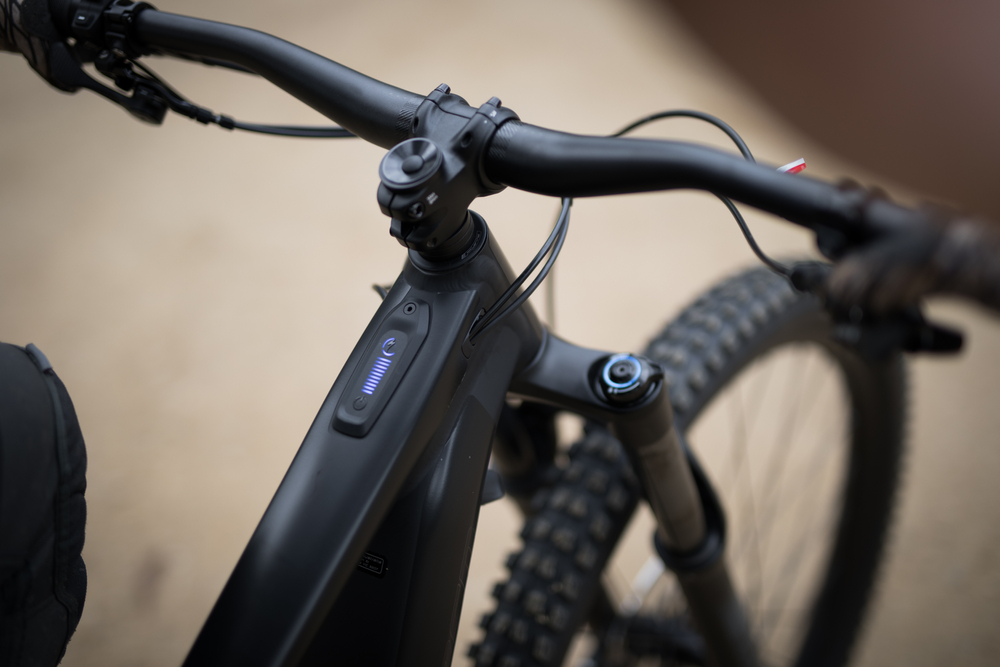
Electric bikes are now part of daily life across the city, from commuters on the Burke-Gilman Trail to delivery riders threading through downtown. When a driver strikes one of these riders, a familiar question follows: Does the law see an e-bike as a bicycle or as something closer to a motor vehicle?
As the e-bike accident lawyer Seattle riders turn to, we know that answer shapes almost everything that comes next.
The good news is that Washington gives compliant e-bike riders strong protection under the law. Here we explain how the state sorts these bikes, what recent changes mean, and how classification can affect a claim. If a crash left you hurt, a Seattle bicycle accident attorney can help you understand your options.
SCHEDULE A CONSULTATIONKey Takeaways about Electric Bicycle Accidents
- Washington law defines an electric-assisted bicycle in RCW 46.04.169 and sorts qualifying models into three classes.
- A compliant e-bike carries the same road rights and duties as a traditional bicycle.
- Senate Bill 6110, effective June 11, 2026, tightened which devices still count as e-bikes.
- A device that exceeds e-bike limits may be treated as a moped or motorcycle, which changes the rules that apply.
- Classification can influence fault, insurance coverage, and the damages available in a crash claim.
Does Washington Treat an E-Bike Like a Regular Bicycle?
Yes, as long as the device meets the state's legal definition, Washington treats an e-bike much like a standard bicycle. Under RCW 46.04.169, an electric-assisted bicycle is a two- or three-wheeled bike with a seat, working pedals, and an electric motor rated at no more than 750 watts.
That definition matters because it decides which rulebook applies to you. A qualifying e-bike does not need a license, registration, or special insurance to ride on public roads. Riders simply follow the same traffic laws that apply to people on traditional bikes.
Specifically, RCW 46.61.755 gives a person on a bicycle the same rights and duties as the driver of a vehicle. For a crash claim, this is a strong starting point because it confirms the rider had every right to be on the road.
The Three E-Bike Classes and What Sets Them Apart
Washington sorts qualifying e-bikes into three classes based on how the motor helps the rider. Each class shares the same 750-watt ceiling, yet they differ in speed and in how the motor engages.
- Class 1: The motor assists only while you pedal and stops helping at 20 mph.
- Class 2: The motor can move the bike with a throttle, without pedaling, and still stops at 20 mph.
- Class 3: The motor assists only while you pedal, stops at 28 mph, and the bike must have a speedometer.
All three classes count as legal bicycles under state law, though local rules can limit where each one may ride, as the Washington State Department of Transportation explains. Knowing your class helps clarify which rules applied at the moment of a crash.
What Changed Under Senate Bill 6110?
Senate Bill 6110 narrowed the definition of an e-bike, and the change took effect June 11, 2026. Signed into law as Chapter 159, Laws of 2026, the update did not remove the three classes. Instead, it clarified which devices no longer count as bicycles at all.
Under the new rule, a device that can travel faster than 20 mph on motor power alone no longer qualifies as an e-bike. The same is true for machines built to be easily reconfigured past their class limits. Lawmakers aimed this change at high-powered devices sold as bikes but capable of motorcycle speeds.
The distinction carries real weight in a city where these faster machines have grown popular. When a device falls outside the e-bike definition, Washington may treat it as a moped or motorcycle. That shift can bring licensing, registration, and insurance duties that never apply to a true bicycle.
SCHEDULE A CONSULTATIONHow Does E-Bike Classification Affect Your Injury Claim?
Classification shapes the questions an insurer asks, even though it does not decide fault by itself. When your device qualifies as a bicycle, you keep the protections Washington gives cyclists, including the pure comparative fault rule.
Under pure comparative fault, you can recover money even if you were partly at fault, with your award reduced by your share of responsibility. Washington also protects riders through its vulnerable user law in RCW 46.61.526, which recognizes cyclists as vulnerable road users.
Those protections follow the compliant e-bike rider from Seattle out to the suburbs. Our team handles Renton bicycle accident claims along the I-405 corridor and Tacoma bicycle accident claims near the Port and the JBLM commuter routes. Wherever the crash happened, getting the classification right helps protect your right to fair compensation.
What Compensation Can Injured E-Bike Riders Seek?
Injured e-bike riders in Washington can pursue the same categories of compensation available to other injured cyclists. Because the state uses a fault-based system, the driver who caused the crash and that driver's insurer are generally responsible for the harm.
A claim may include recovery for the following:
- Medical bills, from emergency care to future treatment
- Lost wages and reduced earning ability
- Pain, suffering, and loss of enjoyment of life
- Damage to the e-bike and other property
Washington does not require personal injury protection coverage, so uninsured and underinsured motorist coverage often matters a great deal after a serious crash. We help riders find every source of coverage that may apply. This work is about restoring what was taken, not about getting even.
Why Insurers May Focus on Your E-Bike
Insurers sometimes focus on the e-bike itself to shift blame or reduce a payout. They may question the class of the bike, whether the rider was pedaling, or how fast the motor could go. These questions can matter, but they do not erase a driver's responsibility for careless conduct.
With more than 30 years of representing injured people across Washington, we have seen how these arguments unfold. Our attorneys have recovered significant results for riders and other crash victims throughout the Puget Sound, including multimillion-dollar recoveries in serious motorcycle and pedestrian cases.
We focus on accountability, gathering the police report, witness accounts, and device records that tell the real story.
FAQs about E-Bike Accident Lawyer Seattle
If questions still linger after a crash, you are not alone, and these answers cover points we hear often from riders.
Do I need a driver's license to ride an e-bike in Seattle?
No, Washington does not require a driver's license to operate a compliant electric-assisted bicycle. Riders of Class 3 e-bikes must be at least 16 years old, but no license or endorsement is needed for a qualifying bike. If a device falls outside the e-bike definition, different rules can apply.
Does wearing or not wearing a helmet affect my claim?
Helmet use can come up, but it does not automatically decide your claim. Washington has no statewide e-bike helmet law, though some cities and counties set their own rules. What matters most is who caused the crash and what injuries resulted.
What if the driver says my e-bike was going too fast?
Speed questions are common, and the answer often depends on your bike's class and how the motor worked. A Class 3 bike can assist up to 28 mph while you pedal, which is legal. We gather evidence about the device and the crash to answer these claims accurately.
Is an e-bike rider covered by car insurance after a crash?
Often, yes, through the at-fault driver's liability coverage and possibly your own uninsured or underinsured motorist coverage. Washington does not require e-bike riders to carry auto insurance. Reviewing every available policy is an important early step.
How long do I have to file an e-bike injury claim in Washington?
Most personal injury claims in Washington must be filed within three years of the crash date. Some situations, such as claims involving a minor or a government vehicle, follow different timelines. Speaking with an attorney early helps protect your deadline.
What happens if my device is not a legal e-bike?
If your device exceeds e-bike limits, Washington may treat it as a moped or motorcycle, which changes licensing, registration, and insurance questions. That does not automatically end your claim. It simply shifts which rules and duties apply to your case.
Talk With a Seattle E-Bike Accident Team Today
If a driver hurt you while you were riding, you deserve clear answers and steady support. At Pendergast Law, we handle every legal detail so you can focus on healing, and we offer free consultations in English and Spanish.
Call (206) 620-0707 today to talk with our team about your e-bike crash and what comes next.
SCHEDULE A CONSULTATION