
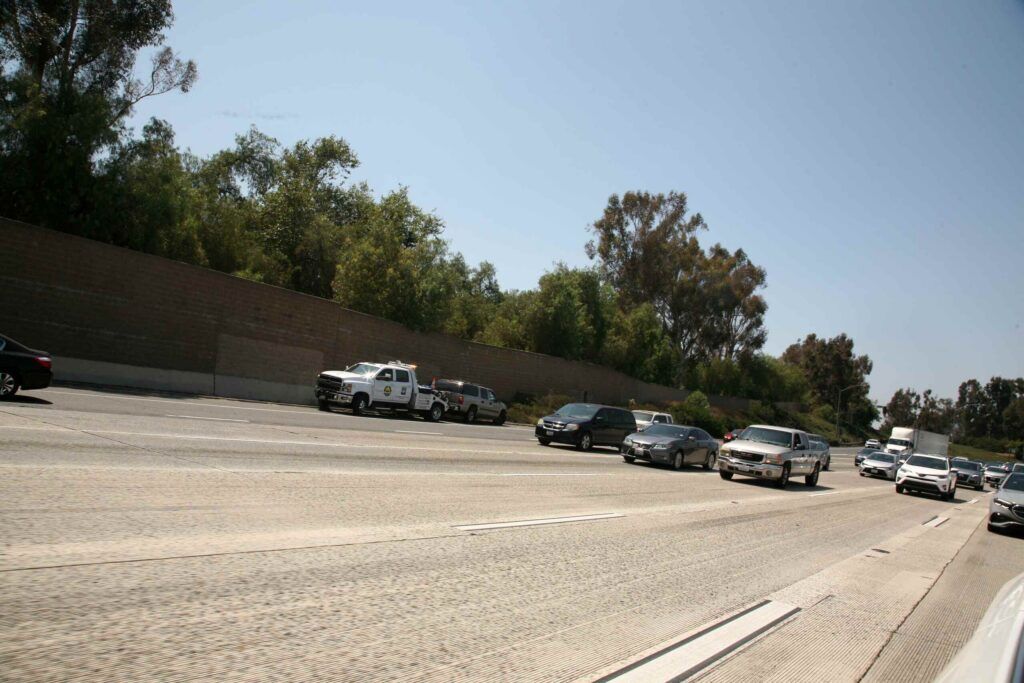
Who Is at Fault in an Aurora Avenue Rear-End Crash?
The driver who strikes another vehicle from behind is usually presumed at fault, because Washington’s following-too-closely law requires every driver to leave enough room to stop safely. That presumption is not absolute. Fault can shift when the lead driver stops without cause, drives with broken brake lights, or backs up unexpectedly.
- The rear driver carries the initial burden in most rear-end cases.
- Washington’s pure comparative fault rule can assign a share of blame to either driver.
- Dashcam footage, skid marks, and vehicle damage help show what really happened.
Every collision is different, and the facts of your specific crash decide how fault is divided.
Aurora Avenue North, also known as State Route 99, is one of Seattle’s busiest and most unpredictable corridors. Stop-and-go traffic, closely spaced signals, and rain-slicked pavement create the exact conditions where rear-end collisions happen. When one of these crashes causes injuries, an Aurora Ave rear-end accident lawyer can explain how fault is decided and what a claim may be worth.
You do not have to sort through insurance questions alone. Talking early with a Seattle car accident attorney can protect your rights while you focus on getting better. Below, we explain how the following-too-closely law works and how it shapes a rear-end injury claim.
SCHEDULE A CONSULTATIONKey Takeaways about Washington’s Following-Too-Closely Law
- Washington’s following-too-closely law requires drivers to keep a reasonable and prudent distance behind the vehicle ahead.
- The rear driver is usually presumed at fault in a rear-end collision, but that presumption can be rebutted with evidence.
- Washington follows pure comparative fault, so an injured person can recover damages even when partly to blame.
- Aurora Avenue’s frequent signals, heavy congestion, and wet weather make rear-end crashes especially common along the corridor.
- Injured drivers generally have three years to file a personal injury claim in Washington.
What Does Washington’s Following-Too-Closely Law Actually Say?
Washington’s following-too-closely law, RCW 46.61.145, states that a driver may not follow another vehicle more closely than is reasonable and prudent. The law does not set an exact number of feet or car lengths.
Instead, it asks what a careful driver would do given the speed, the traffic, and the condition of the road at that moment. A distance that feels safe on a dry, open road may be far too close during a rainy evening commute.
On Aurora Avenue, where traffic slows and surges without warning, that flexible standard matters. Officers and insurance adjusters weigh those same conditions when deciding whether a driver followed too closely.
In practice, the question is whether the trailing driver could have stopped in time. A driver tailgating at 35 miles per hour on a wet stretch near a signal has far less room for error than one cruising with open road ahead. When that room disappears, and a crash follows, the law points toward the driver who could not stop.
Rear-End Crashes and Aurora Avenue’s Traffic Conditions
Rear-end crashes cluster on Aurora Avenue because the corridor combines heavy traffic, frequent stoplights, and weather that reduces traction. The road runs for miles through North Seattle with a steady mix of business entrances, bus stops, and pedestrian crossings.
Drivers often speed up between lights, then brake hard when the car ahead stops for a turn or a signal. Add the region’s near-constant rain, and stopping distances grow while visibility shrinks.
Merging traffic from side streets and busy commercial driveways adds another layer of risk. A car darting in to reach a turn lane can force the driver behind to brake hard, setting off a chain of sudden stops.
These factors put trailing drivers in a tough spot, where even a brief lapse in attention can lead to a collision. Understanding why these wrecks happen is the first step in showing how one driver failed to keep a safe distance.
Is the Rear Driver Always at Fault?
No. While the rear driver is presumed at fault in most rear-end collisions, that presumption can be challenged. Several situations can shift blame to the lead driver or to a third party:
- A lead driver who stops abruptly to make an illegal turn or to check a phone.
- Brake lights that were burned out, hiding the lead driver’s intent to stop.
- A driver who reverses into the vehicle behind them.
- A third car that pushed a middle vehicle forward in a chain-reaction crash.
Chain-reaction crashes are common in Aurora Avenue congestion, and they make fault harder to untangle. When three or four cars collide, the driver who started the pileup may bear the largest share, while others carry smaller portions depending on how each collision occurred.
Reviewing the Washington traffic rules that govern each driver helps clarify how responsibility is assigned when more than one person contributes to a wreck. Sorting out these details often decides whether a claim succeeds and how much compensation is available.
SCHEDULE A CONSULTATIONHow Pure Comparative Fault Shapes Your Recovery
Under Washington’s pure comparative fault rule, RCW 4.22.005, you can recover damages even if you were partly responsible, though your award is reduced by your share of fault. Recovery is possible even when a driver carries most of the blame.
Suppose the driver behind you caused the crash, but you had a brake light out. An insurer might argue you were 20% responsible, which would lower your recovery by that same share.
This rule carries real weight on a busy road like Aurora Ave, where insurers often try to pin some blame on the injured driver. Following distance is only one of several duties drivers owe, and other roadway liability rules can also factor into how blame is shared.
Evidence That Strengthens a Rear-End Injury Claim
Strong rear-end claims rest on evidence that shows how the crash happened and who failed to keep a safe distance. The most useful proof often includes:
- Dashcam or nearby surveillance video of the collision.
- Photographs of vehicle damage and the final resting positions of the cars.
- The police collision report.
- Skid marks and debris patterns at the scene.
- Medical records that connect your injuries to the crash.
Gathered early, this evidence paints a clear picture before memories fade or vehicles are repaired. The sooner it is preserved, the harder it is for an insurer to dispute what took place.
What Compensation Can Injured Drivers Pursue?
Injured drivers may pursue compensation for medical bills, lost income, vehicle repairs, and the physical and emotional toll of the crash. The right amount depends on how the injuries affect daily life.
Rear-end collisions frequently cause whiplash, back injuries, and concussions that are not obvious at the scene. Symptoms can appear days later, which is why prompt medical care protects both your health and your claim.
Compensation generally falls into two groups. Economic damages cover measurable losses such as hospital bills, physical therapy, and missed paychecks, while non-economic damages account for pain, limited mobility, and the disruption to your daily routine.
Because these injuries can linger, the full value of a claim is rarely clear on day one. A careful look at future treatment and lost earning power helps put a fair number on what you have been through.
SCHEDULE A CONSULTATIONFAQs for Aurora Ave Rear-End Accident Lawyer
Here are answers to questions we often hear from drivers injured in rear-end crashes along Aurora Avenue.
How long do I have to file a rear-end accident claim in Washington?
In most cases, you have three years from the date of the crash to file a personal injury lawsuit, under RCW 4.16.080. Waiting makes evidence harder to gather, so it helps to act sooner rather than later.
What if I was partly at fault for the rear-end collision?
You can still recover compensation. Washington’s pure comparative fault rule reduces your award by your percentage of blame but does not bar recovery, even if you were mostly responsible.
Do I need to see a doctor if I feel fine after the crash?
Yes. Rear-end collisions often cause whiplash and other injuries that surface days later. A prompt medical visit protects your health and ties any injuries to the crash.
Will my rear-end accident case go to trial?
Most rear-end claims settle without a trial. If the insurance company refuses a fair offer, filing a lawsuit may become necessary to pursue full compensation.
How much does it cost to hire a car accident lawyer?
Many personal injury firms, including ours, work on a contingency basis. That means you pay no attorney fee unless we recover compensation for you.
What should I do if the other driver’s insurer contacts me?
Be cautious. Adjusters may ask questions designed to reduce their payout, and you are not required to give a recorded statement before speaking with your own attorney.
Talk With Pendergast Law About Your Aurora Ave Crash
For more than 30 years, Pendergast Law has stood beside injured people across Seattle, Renton, and Tacoma. We have recovered more than $700 million for over 12,000 clients throughout Western Washington, and we offer services in both English and Spanish.
If a rear-end crash on Aurora Avenue left you hurt, we are here to listen and to help you move forward. Call our Seattle office at (206) 620-0707 for a free consultation, and let us handle the legal details while you focus on healing.
SCHEDULE A CONSULTATION