
After a car accident in Seattle, the first steps you take from home are to seek medical attention for any potential injuries and report the collision to your insurance provider.
You must also report the crash to law enforcement if it resulted in injury, death, or property damage over $1,000 and an officer did not respond to the scene. The process that follows involves managing medical care, handling an insurance claim under Washington's at-fault system, and proving the other party was responsible for your damages.

This is a difficult process, especially when you are recovering. Washington’s pure comparative negligence rule means any compensation you receive could be reduced if you are found even partially at fault. Our role is to build a case that clearly shows the other driver’s responsibility and pursue the maximum compensation available under the law for your medical bills, lost income, and other losses.
If you have questions about your car accident and what to do next, call Pendergast Law for a straightforward conversation about your situation. Our number is (206) 620-0707.
Key Takeaways for Seattle Car Accident Claims
- Always get a full medical evaluation immediately after a crash. Some serious injuries, such as whiplash and concussions, have delayed symptoms, and a doctor’s exam creates an official record linking your injuries to the collision.
- Washington's laws affect who pays and how much you may receive. As an "at-fault" state, the responsible driver's insurance pays for damages; however, under the state's "pure comparative negligence" rule, your final compensation is reduced by your percentage of fault.
- You have a three-year deadline to file a lawsuit. Washington's statute of limitations, found in RCW 4.16.080, requires you to file a personal injury lawsuit within three years of the accident date, or you lose the right to pursue compensation in court.
The First 72 Hours: Protecting Your Health and Your Claim
You are home after a crash, likely feeling shaken, sore, and uncertain about what to do first. The adrenaline may be wearing off, and new pains might start to surface. Delaying medical care allows injuries like whiplash or concussions to worsen. At the same time, missing key reporting deadlines creates complications with the insurance company right from the start.
Here is a clear list of priorities.
1. Get a Full Medical Evaluation, Even if You Feel Fine
Some serious injuries have delayed symptoms. Pain from conditions like whiplash or the effects of a concussion may flare up days after the collision. A doctor’s examination creates an immediate record linking your injuries to the collision. This record is a cornerstone of your personal injury claim.
Follow all medical advice, including attending follow-up appointments and physical therapy. Gaps in treatment are something insurance companies look for to argue your injuries are not as serious as you claim.
2. Notify Your Own Insurance Company
Your policy requires you to report a collision promptly, regardless of who was at fault. Provide the basic facts: the date, time, location, and contact information for the other parties involved.
Do not guess or speculate about what happened. Do not admit fault. We advise against giving a recorded statement to any insurance company—including your own—before speaking with a lawyer. These statements are often used to limit your claim.
3. Start a File to Document Everything
Keep all emails, letters, and notes from conversations with insurance adjusters. Save every medical bill, receipt for prescriptions, and any other out-of-pocket expense. Track your missed days from work and any lost income. A simple journal or spreadsheet works well for this purpose.
How Do Car Insurance Claims Work in Washington?
Washington is an "at-fault" state. This simply means the person who caused the crash is responsible for the damages.
This is different from "no-fault" states, where your own insurance covers your initial bills regardless of who was at fault. In Washington, you must file a claim with the at-fault driver's insurance company.
What Kind of Insurance Coverage Applies?
- Liability Insurance: This is the at-fault driver’s coverage that pays for your damages. Washington requires minimums of $25,000 for injury per person, $50,000 per accident, and $10,000 for property damage. This limit is often burned through quickly with serious injuries.
- Personal Injury Protection (PIP): This is your own insurance coverage. It pays for your initial medical bills and some lost wages, no matter who was at fault. You should use your PIP coverage right away while the main claim is pending.
- Uninsured/Underinsured Motorist (UIM/UM) Coverage: This is also your own coverage. It applies if the at-fault driver has no insurance or not enough insurance to cover all of your damages.
Who Is the Insurance Adjuster and What Is Their Goal?
The adjuster’s job is to investigate the claim for their employer, the insurance company. Their company is a business, which means they must balance paying valid claims with protecting their financial interests. They conduct a thorough investigation, looking for any evidence to argue you were partly at fault or that your injuries are not related to the crash.
- Do: Provide factual information and documents you have gathered.
- Don't: Offer opinions, apologize, or agree to a recorded statement.
You should also avoid signing any medical authorizations or release forms without a legal review. These forms sometimes give the insurer broad access to your entire medical history, which they may use to find pre-existing conditions to argue against your claim. Do not accept the first settlement offer, especially if you are still receiving treatment for your injuries. You may not know the full extent of your damages yet.
How Is Fault Decided in a Seattle Car Accident?
The determination of fault is based on a legal concept called "negligence." Simply put, negligence is a failure to use reasonable care to prevent harm.
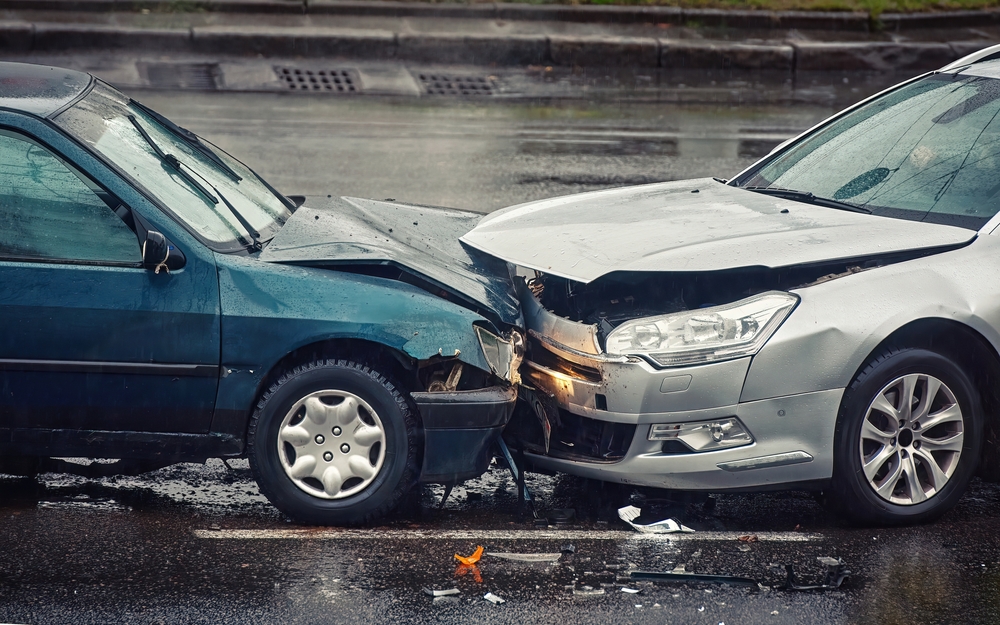
In the context of driving, this includes actions like speeding, texting while driving, or running a red light. In Seattle, this also includes exceeding the 25 mph speed limit on many arterial streets. Our role is to gather evidence to prove the other driver was negligent.
Understanding Washington's Pure Comparative Negligence Law
This rule is fundamental to your claim because it directly impacts the final compensation you receive. It means you may still recover damages even if you were partially at fault. Think of fault as a pie chart. If a jury finds you were partially at fault for the crash, your final compensation will be reduced by that percentage.
Because of this rule, the other driver’s insurance company will look for any reason to place a percentage of blame on you. Our work is to ensure no amount of fault is unjustly assigned to you.
What Evidence Is Used to Determine Who Was at Fault?
- The Police Report: While not always admissible in court, it contains the officer's initial observations and sometimes their opinion on who was at fault.
- Photos and Videos: Pictures of the vehicle damage, skid marks, and the surrounding scene are very helpful.
- Witness Statements: Independent witnesses provide an objective account of what happened.
- "Black Box" Data: Many modern cars have event data recorders that show speed, braking, and other factors just before impact.
The Two Timelines You Cannot Afford to Miss
Timeline #1: Your Medical Treatment and Recovery
Consistent medical care is not just for your health; it creates a clear record of your injuries and their progression. The insurance company will use a failure to follow your doctor’s treatment plan to argue that your injuries were not that severe.
This timeline has no end date—it continues as long as you need medical care for your crash-related injuries. We use these medical records to calculate the full value of your claim.
Timeline #2: The Washington Statute of Limitations
This is a firm legal deadline for filing a lawsuit. In Washington, you generally have three years from the date of the car accident to file a personal injury lawsuit, according to RCW 4.16.080. If you miss this deadline, you will almost certainly lose your right to pursue compensation in court forever.
There is an important exception. The deadline is much shorter for claims against a government entity, such as a city bus or state vehicle. In some cases, you must file a formal notice of claim in just a matter of months. This is why we advise having your case reviewed promptly.
How a Seattle Car Accident Lawyer Helps
You are not expected to handle this process alone, especially while recovering from an injury. Our practice focuses on personal injury cases, and we take these responsibilities off your shoulders.
What We Do for You:
- Conduct a Full Investigation: We gather all the evidence needed—police reports, witness interviews, medical records, and sometimes accident reconstruction analysis—to build a strong case.
- Manage All Communications: We handle all calls, emails, and paperwork from the insurance companies. You focus entirely on your recovery.
- Calculate Your Total Damages: We work with you and your doctors to understand the full cost of your accident. This includes:
- All current and future medical bills.
- Lost wages and diminished future earning capacity.
- Pain, suffering, and the impact on your quality of life.
- Negotiate a Fair Settlement: We present our evidence to the insurance company and negotiate for the maximum compensation available. If they are not willing to offer a fair amount, we are prepared to file a lawsuit and present your case in court.
Frequently Asked Questions About Seattle Car Accidents
What if the other driver was uninsured?
If you have Uninsured/Underinsured Motorist (UIM/UM) coverage on your own policy, we will file a claim with your insurance company to cover your damages.
Do I really need a lawyer if the other driver was clearly at fault?
Even in clear-fault cases, the insurance company's goal is to pay out as little as possible. We work to ensure the settlement offer covers the full, long-term cost of your injuries, not just the initial bills.
How much does it cost to hire Pendergast Law?
We handle car accident cases on a contingency fee basis. This means you pay no upfront fees. We only get paid if we win a settlement or verdict for you.
I was a pedestrian/cyclist hit by a car. Is my case different?
Yes, these cases are different, especially with the new Vulnerable Road User Law taking effect, which adds stricter penalties for negligent drivers. As a pedestrian or cyclist, you have specific rights, and we have deep experience handling these claims.
Can I handle the property damage claim for my car myself?
You may handle this yourself, but we advise letting us review it first. Statements made during a property damage claim sometimes affect your injury claim later on.
You Have a Right to Recovery. Don't Let Uncertainty Stop You.
You might worry about how you will pay your bills or if you are doing enough to protect your rights. This is a normal reaction to an abnormal event. You don’t have to have all the answers right now.
The single most important step is to understand your options. We provide clarity on your situation and explain the path forward.
Your recovery is what matters most. Let us handle the details of the legal process. Call Pendergast Law at (206) 620-0707 or fill out our contact form to schedule a free, no-obligation conversation about your case.